Recent posts with visuals

Showing posts with label soup. Show all posts

May 8, 2015

Bouillon with spring vegetables, mint

            The very smell of mint reanimates the spirits, and its flavour gives a remarkable zest to food.
~ Pliny the Elder, Natural History

Spring brings with it a kaleidoscope of flowers, young leaves in every shade of green and the first produce of the year – asparagus, peas and tender fresh herbs. It also often brings cold thunderstorms (occasionally featuring hail), and chilly, foggy evenings - in other words, perfect soup weather. Not a winter soup, laden with meat, robust legumes and earthy root vegetables. Rather, a spring soup, soothing yet light – a cashmere throw instead of a hefty eiderdown comforter.
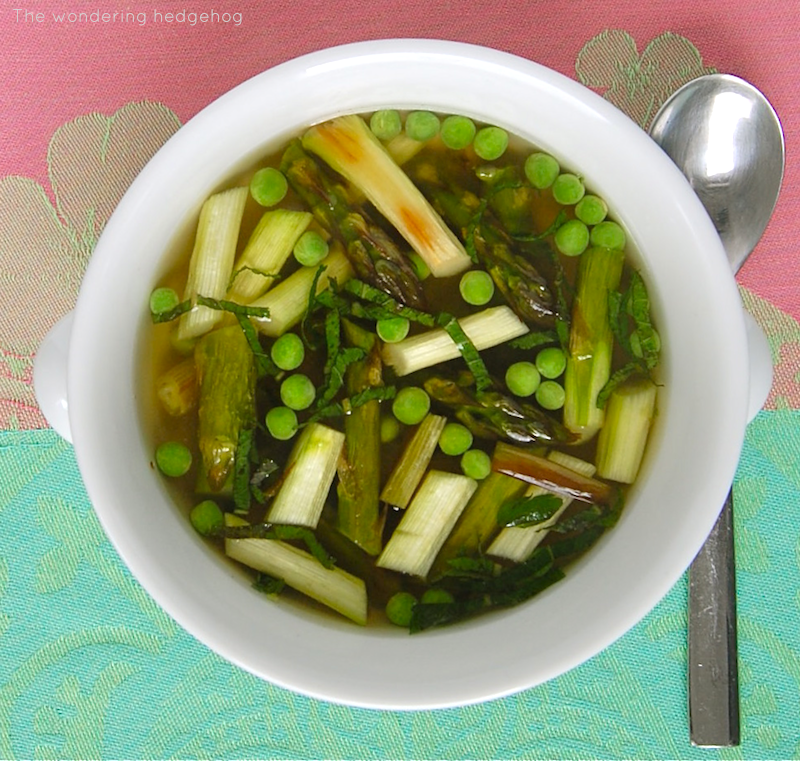
This recipe was inspired by a recent meal at Le Comptoir, one of my favorite restaurants in Paris. The addition of mint brings an unexpected burst of flavor to the broth, a riff on a classic combination of mint and lamb. In fact, the soup features two quintessential mint pairings – mint & meat and mint & peas.

Bouillon with spring vegetables and mint
The recipe is very easy, although it does consist of several steps. Most of the components may (or, indeed, must) be prepared in advance; final assembly takes less than 10 minutes.
Serves 2
  • 2½ Cups home-made chicken stock (roasted or otherwise)
  • 6-7 stalks of asparagus
  • 3-4 scallions
  • ½-1 Cup green peas (frozen or fresh)
  • 5 fresh mint leaves
  • ½ Tablespoon (or less) neutral oil – rice bran, canola, grape-seed, light olive
  • Kosher salt
Clarify the stock
While not essential, this step makes for a more attractive presentation and an ethereal-tasting bouillon.
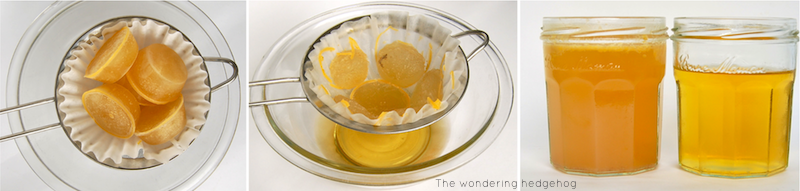
Freeze the stock in an ice-cube tray, muffin tin or a Ziplock bag placed flat in the freezer. Once frozen, place the stock cubes (if using a Ziploc bag, break into smaller pieces first) in a strainer lined with a coffee filter or a paper towel. Put on the counter (or in the refrigerator) to slowly thaw. The gentle melting process will result in a crystal clear stock, leaving behind the sediment which gives stock a cloudy appearance.
This bouillon would also work beautifully for floating some lovely ravioli.
N.B. Do not re-freeze previously frozen stock.
Prepare the peas
If using frozen peas, take out of the freezer, run under cool water and set in colander to thaw. If using fresh peas, shell the peas.

Roast the vegetables
Preheat the oven to 425°F/220°C (400°F/205°C for convection oven).
Wash the asparagus and scallions. Trim the roots and bright green tops from the scallions and peel off the first leaf (it is usually wilted and papery). Hold an asparagus spear near the ends and gently bend – the point at which the spear will be ready to snap is where the tender part of the stalk becomes tough. Peel the woodier root end without snapping off, or remove and save for making stock.

Place the scallions and asparagus on a baking sheet, gently coat in oil (a pastry brush simplifies the job), and sprinkle liberally with salt. Roast for 12-15 minutes, until the scallions are completely soft and caramelized.
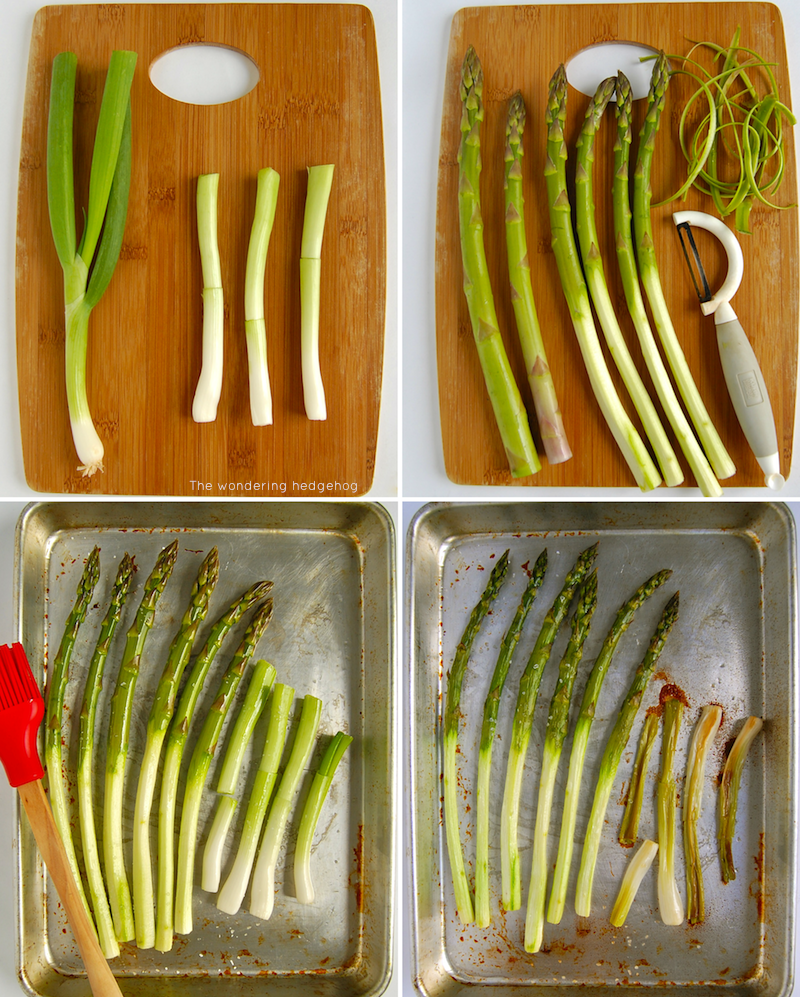
Remove from the oven, cool slightly1 and cut into bite-sized pieces.

This roasted asparagus and scallions preparation can also be used in other dishes. It makes an excellent pizza topping, a tasty filling for a quiche (add the peas as well) or a simple vegetable side (leave whole).

Final assembly
Wash and dry the mint leaves, stack them neatly, fold in half laterally and cut into thin strips. Kitchen scissors work marvelously here, reducing the effort of the traditional chiffonade technique – rolling the stacked leaves into a tiny, minty cigar, and cutting with a knife. (A tiny cigar is not an easy thing to hold while wielding a sharp knife!)
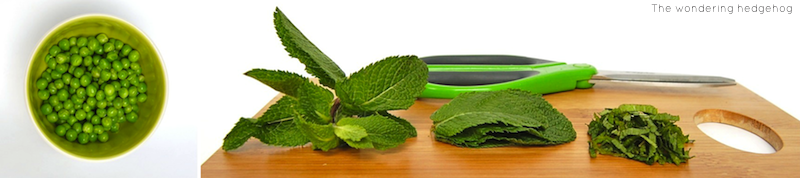
Gently heat the bouillon in a small pot; add the peas and cook until tender, 2-3 minutes. Be sure to keep the bouillon at a very gentle simmer – do not let it boil.

Add the sliced asparagus and scallions, and allow to heat through, another minute or so. Taste and adjust the seasoning if necessary. Divide the soup between 2 bowls, sprinkle with the mint and serve.

I find this is the best way to store asparagus if I am not using it immediately after purchase – trim off ¼ inch (1cm) off the root end, stand in a tall container with an inch or so of cold water, cover with a plastic bag (secure with a rubber band) and refrigerate.

1 Or cool completely, wrap in foil or place in a covered container, and refrigerate for up to 24 hours in advance. Slice right before final assembly.

March 23, 2015

Borsch 2.0

Progress doesn’t come from early risers - progress is made by lazy men looking for easier ways to do things.

~ Robert A. Heinlein, Time Enough for Love

mise en place
/miz ɑ̃ plas/
noun
  1. (In a restaurant kitchen) the preparation of equipment and food before service begins.


Borsch is a hymn to the glory of beets. And beets are glorious. Anyone who judges beets based solely on a single out-of-the-can experience is perpetrating a great injustice, both against the beets and against their own person. An incredibly versatile vegetable, beets can be eaten in raw, roasted, boiled, and even liquid (ginger-apple-beet juice!) form. Beets, both roots and greens, are high in antioxidants and vitamins. More importantly, properly cooked beets are very, very tasty.

I grew up eating beets, and they are one of my favorite vegetables, for the emotional comfort as much as for their flavor. And when beet nostalgia melds with the intrinsic comfort of soup, the result will help weather any winter. Enter borshch/borsch/borscht1, the traditional Eastern European beet soup.

This is my interpretation of my grandmother's vegetarian recipe, a lighter version of the beef-based borsch. The big departure from the original is the replacement of the traditional cabbage with bitter lettuce, an idea gratefully borrowed from Chinese cooking. Beets, carrots and tomato paste are all quite sweet to my palate, and the neutral flavors of potatoes and cabbage do not offset this sweetness. Lettuce provides the necessary contrast, and makes the soup less heavy, though no less hearty. Using lettuce has the added benefit of not having to shred cabbage.

Although the preparation process is simple and does not take a lot of time, it does require that undivided attention is paid for five minutes. Nothing ruins a dish so fast as burning the onions. The classical French cooking practice of mise en place, while seemingly more time-consuming, actually makes the entire process more efficient. Roughly translated, mise en place means "putting in place", or having everything ready before cooking actually starts. As tempting as it is to grate the carrots while the onions are browning, or peel and chop the potatoes while the tomato paste is cooking down, this is usually a false economy - it is best to get everything ready before you begin. There are culinary benefits as well - preparing the potatoes ahead of time removes some of the starch; giving the lettuce a cool bath revives wilting leaves.

Borsch 2.0
The recipe invites experimentation - use more or less of any vegetable as you prefer. Potatoes can be replaced with celery root, parsnips or both. And of course, lettuce can be swapped for green cabbage. Shred the cabbage and add to the soup together with the carrot mixture.

Serves 4-6
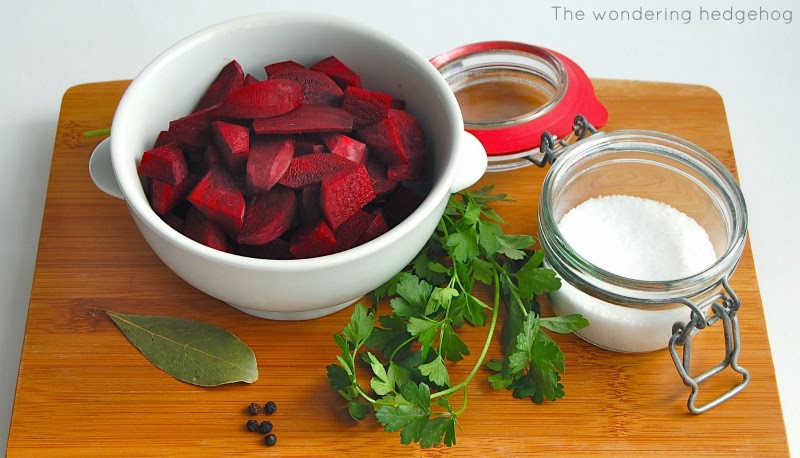
  • 2-3 medium / 5-6 small beets
  • 1 large carrot
  • 1 medium onion
  • 2 medium potatoes
  • 1-2 heads bitter lettuce, such as Little Gem or Romaine
  • 2-3 cloves of garlic
  • 2-3 Tablespoons tomato paste
  • 1 bay leaf
  • 5-7 peppercorns
  • 3-5 sprigs fresh parsley or thyme
  • Salt
  • 1-2 Tablespoons oil (olive, rice bran, canola, grapeseed)
N.B. If using frozen2 tomato paste, no need to defrost before using.

Peel and rinse the root vegetables. Chop the onions, grate the carrot on the large holes of the grater and lightly crush the garlic cloves.

If feeling lazy, grate the beets. If feeling fancy, cut the beets into nice wedges. For small beets, simply cut in half and then each half into wedges (for larger beets, first slice each half into thirds).

Wash the lettuce and remove outer leaves if they are yellow or bruised. Quarter the lettuce and chop each quarter into bite-sized pieces; put in the refrigerator or a bowl of cold water.

Cut the potatoes into cubes or medium chunks. Place cut potatoes in a bowl of cool water to prevent browning from oxidation.


Bring 4 Cups of water to a boil in a large pot. Add 2 teaspoons salt, peppercorns, parsley/thyme and beets. Lower heat to a simmer.

Heat the oil in a (non-stick) pan over medium heat. Add onions and a pinch of salt. Cook, stirring occasionally, until the onions become translucent and start browning around the edges.
Push the onions to the perimeter of the pan, and add the tomato paste. Cook the paste in the center until it becomes fragrant, a minute or so. Frying the paste in oil helps remove the tinned flavor. Stir the onions into the paste. Cook, stirring to prevent burning, for another 3 minutes, until the mixture thickens.

Add the carrots and garlic cloves, a generous pinch of salt and mix to combine. If stirring is difficult because the onion mixture is too thick, add ¼ Cup of cooking liquid from the beets. Lower the heat and cook the carrots, stirring occasionally, for another 5 minutes.

Add the carrot-onion-paste mixture to the beets. Continue to simmer for another 25 minutes for beet wedges, or 20 minutes for grated beets.

Taste the broth for salt, and add more if necessary. Add the drained potatoes to the pot (if the soup has thickened too much, add some boiling water so the potatoes are submerged). Cook until the beets and potatoes are just tender. Start testing after 20 minutes; cooking time will depend on the size of vegetables.

Once the beets are tender, stir in the drained lettuce and increase the heat. When the soup comes back to simmer, cover the pot and turn off the heat, but leave the pot on the stove. The lettuce will wilt and mellow from the residual heat without falling apart. Borsch is always better after a day or two in the refrigerator. If you are feeling impatient, let the pot rest for 15-20 minutes before eating.

Beets like acid; if desired, round out the borsch with just a splash of balsamic or white vinegar.


Serve the borsch hot with a dollop of crème fraîche or sour cream, and some chopped dill. For a really traditional accompaniment, cut a clove of raw garlic in half and rub the cut side on the crust of some heavy dark bread. The optional vodka shot must be served straight from the freezer and have the consistency of syrup.

1 As the Russian spelling does not contain a t and English speakers are not informed that it is silent in the transliteration, this has become quite a pet peeve. There is no t in borsch!
2Instead of storing an open can of tomato paste in the refrigerator, where it will languish forgotten and eventually get converted into penicillin, empty the paste into a Ziploc bag, flatten in an even layer, and freeze. When needed, simply break off the required amount.

February 2, 2015

Lazy lentils

見栄えせず、
楽でおいしい。
試してね。
Not photogenic,
But easy and delicious.

Give lentils a try.
~ The hedgehog


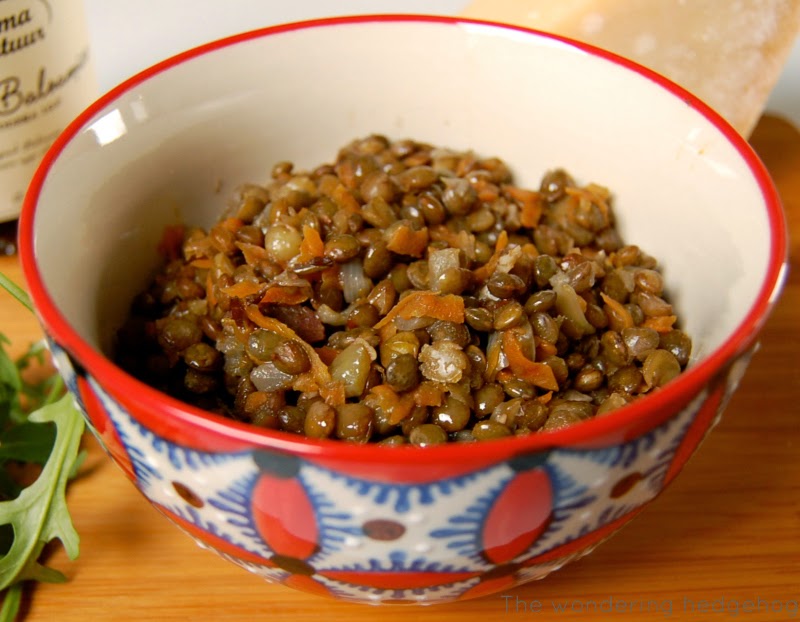
Sadly, cooked lentils do not make for the most attractive-looking dish. This is a shame, since lentils are easy to prepare, versatile and truly delicious. The preparation can be simple or elaborate and is flexible enough to be used for soups, stews, salads and side dishes.

The recipe uses a 1:3 lentils to water ratio, resulting in fairly moist lentils will some flavorful liquid in the bottom of the pot. Increasing the water ratio to 1:4 will produce a stew, and 1:5 will result in an excellent soup base. Reducing water to by half a cup will result in drier lentils perfect for salads 1.

A few peppercorns and a bay leaf lay the aromatics foundation; from here add what you wish. Parsley stems, a small bunch of thyme or a rosemary sprig will all result in a more complex flavor.


Lazy lentils
Serves 4 as a main dish or 6 as a side
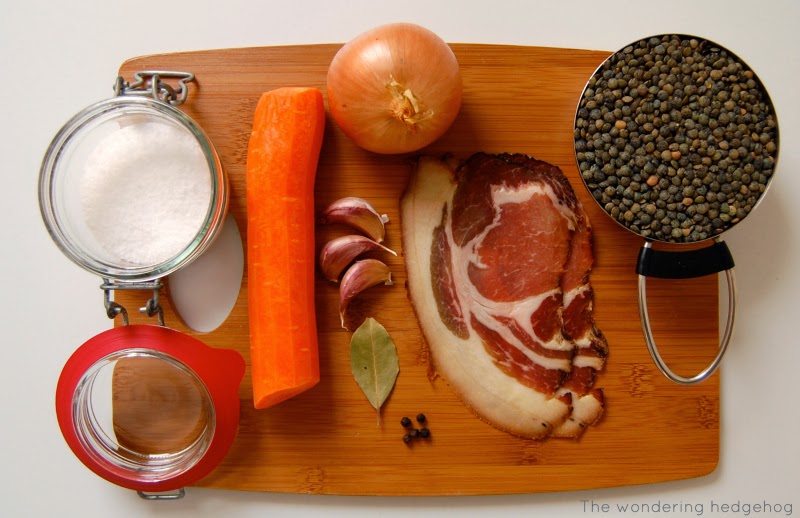
  • 3 Cups cold water
  • 1 Cup green or brown lentils, picked over for rocks
  • 1-2 pieces of bacon, rashers, speck, pancetta or speck 2
  • 1 onion
  • 1 carrot
  • 3 cloves of garlic
  • 5 peppercorns
  • 1 bay leaf
  • Salt to taste
Fast and tasty
Rinse the lentils in cool water. Peel the onion, carrot and garlic, cut each one in half. Combine with the remaining ingredients in a pot and bring to a boil over medium heat. Lower heat to a simmer and cook until lentils are tender (start checking 20 minutes after boil is reached). Taste and adjust seasoning if needed.

10 minutes longer, much more delicious
Finely chopping the vegetables, briefly cooking the bacon to render out the fat and using it to sauté the onions has a dramatic impact on flavor, well worth the few additional minutes of work.

Rinse the lentils in cool water, add water to cover and leave to soak while prepping the rest. Peel the onion, carrot and garlic.
Heat a splash of oil in the pot over medium heat. Add the bacon, and brown slightly on both sides.
 
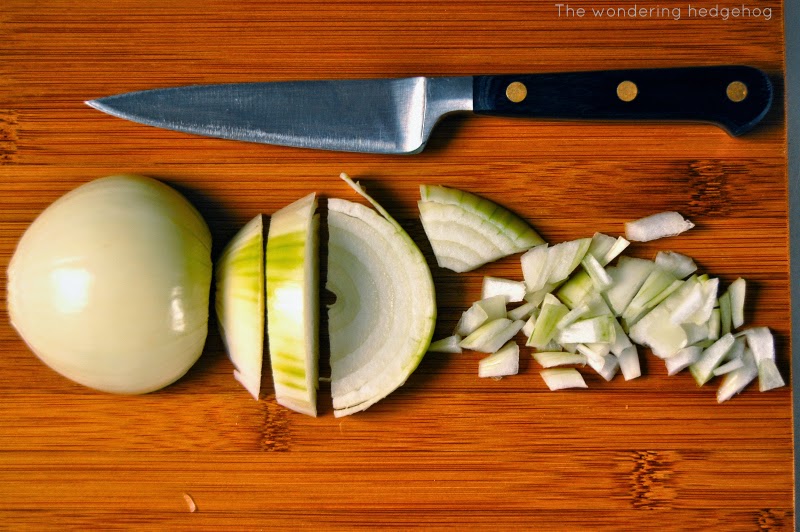
While bacon is cooking, cut the onions. Slicing the onion in half pole-to-pole, then cutting each half into semicircles and finally chopping each one allows for easy control over size of the dice without struggling with a wobbling onion. The thinner the half-disk and smaller the cut, the finer the dice.


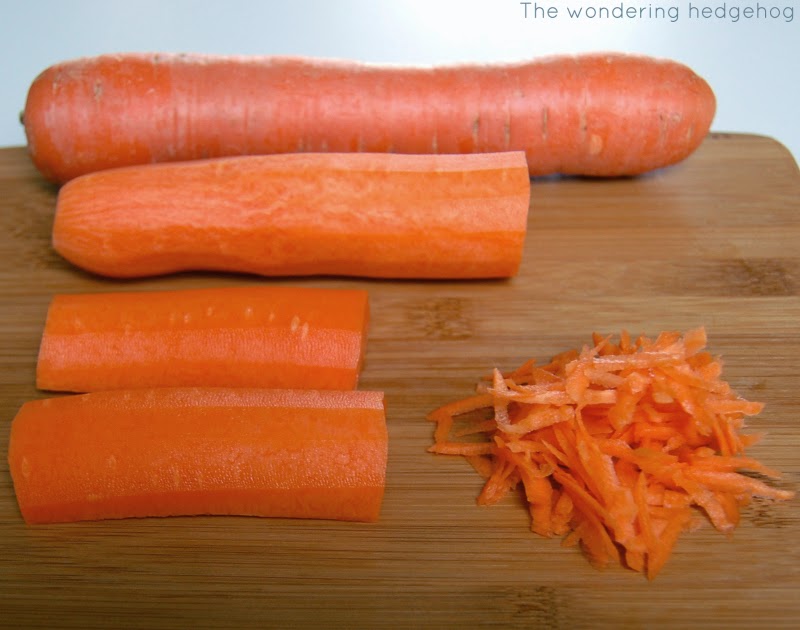
Grate the carrots.


Add the chopped onion, bay leaf, peppercorns (and any other aromatics) and a pinch of salt to the browned bacon. Cook, stirring occasionally, until onion is softened and translucent, about 5 minutes.
Slice the garlic into large slivers. Add to the pot, stir, and cook until fragrant, another minute or 2.
Add the grated carrots, drained lentils and water, stir. Bring to a boil over medium heat. Lower heat to a simmer and cook until lentils are tender (start checking 20 minutes after boil is reached). Taste and adjust the seasoning if needed.
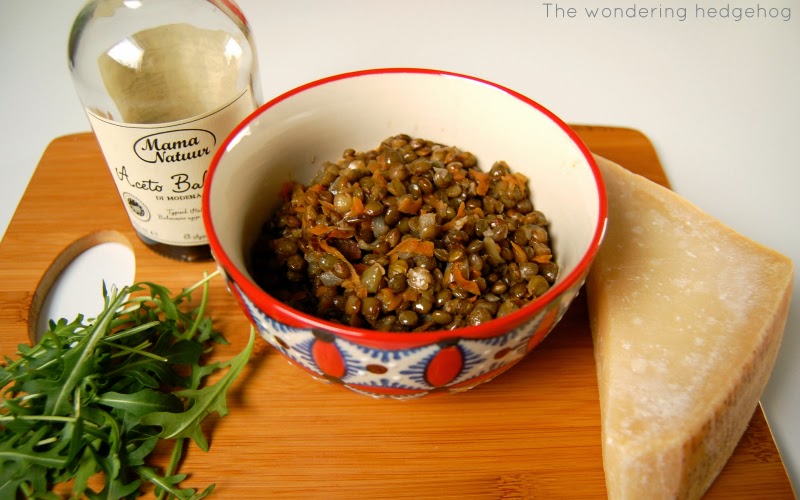
Lentils love acidity, so stir a splash of balsamic vinegar into each bowl before serving, or add 2 or 3 Tablespoons to the entire pot once it's off the heat.
 

For an even more substantial meal, grate Parmigiano Reggiano 3 over the lentils before serving.

Quick soup
Increase the water to 5 cups, and follow the more complex recipe. Once the lentils are cooked, stir in a handful or two of washed spinach or arugula leaves. The residual heat will wilt the leaves and preserve the green color.

All variations of this recipe can easily be made with most other pulses - chickpeas, pinto beans, black eye peas, etc. If using dried legumes other than lentils, soak them overnight first, and increase the cooking time. Start checking the beans after 40 minutes. Simply squeeze a bean between thumb and forefinger. If it smashes with little pressure, it's done.


1For this preparation, slice the onion and carrot in half and keep the garlic cloves whole for easy extraction after cooking.
2Continental Europe, the UK and US have confusing differences in cured pork product nomenclature. The photos show Dutch bacon, or what would be referred to in the UK as rashers, and does not exist in the US. The closest American equivalent is Canadian bacon, sadly lacking all-important flavor component of fat. American bacon, on the other hand, is known as streaky rashers in the UK, and speck in Netherlands and the rest of Continental Europe. Pancetta, which can be rolled or flat, is never smoked, American bacon almost always is. UK rashers come in both smoked and non-smoked varieties. A visual guide to this all-important food will be coming soon.
3Never throw out leftover Parmegiano Reggiano rind. Freeze it in a Ziplock bag, and add it to soups and stews (including this recipe) for a major umami boost.